Cafe di Malang: Your Most Common Questions Answered
Malang has built a genuine reputation as one of Java's most café-friendly cities. Tucked into a highland valley at roughly 450 meters above sea level, the city enjoys cooler temperatures than most of coastal Java, and that comfortable climate has long encouraged a culture of lingering over coffee. Locals and visitors alike tend to treat cafés not just as places to drink but as places to spend time — studying, meeting friends, or simply watching the street outside.
In recent years, the café scene in Malang has grown considerably. What was once a modest collection of independent spots has expanded into a layered landscape of heritage shophouse conversions, garden-style venues, rooftop terraces, and specialty coffee bars. If you are visiting or considering a trip, you likely have a few practical questions. The answers below should give you a solid picture of what to expect.

What Makes Malang's Café Culture Distinct?
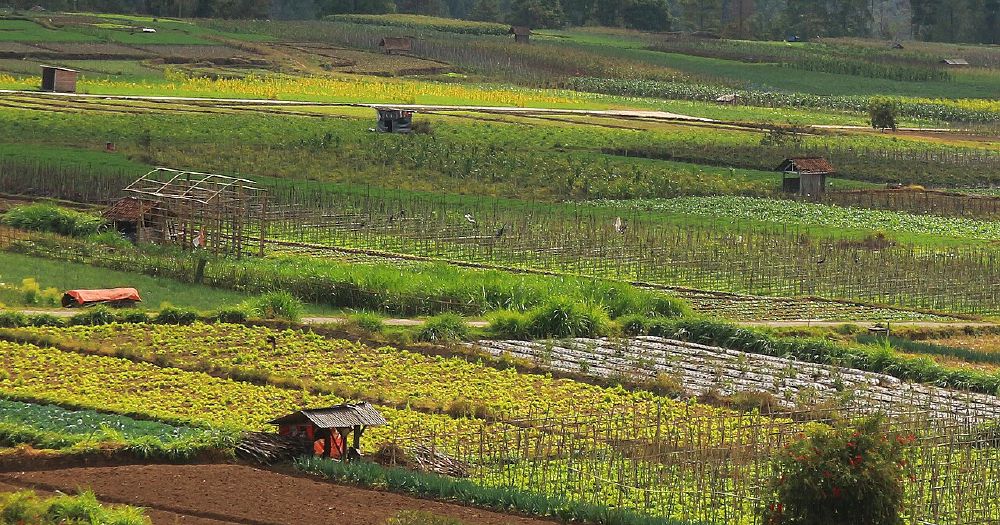
Malang's café scene draws on several local advantages at once. The region sits close to some of East Java's notable coffee-growing areas, which means many cafés have relatively direct access to fresh regional beans. Robusta and Arabica varieties from the surrounding highlands both appear on menus, and it is common to see cafés that roast in small batches or source from a single farm or cooperative.
The city also has a strong student population, driven by several large universities. That demographic shapes café culture in a particular way: venues tend to stay open late, offer free or affordable Wi-Fi, and price their menus accessibly. You will find everything from minimalist specialty coffee bars catering to enthusiasts to casual spots where a full meal and a drink cost very little.
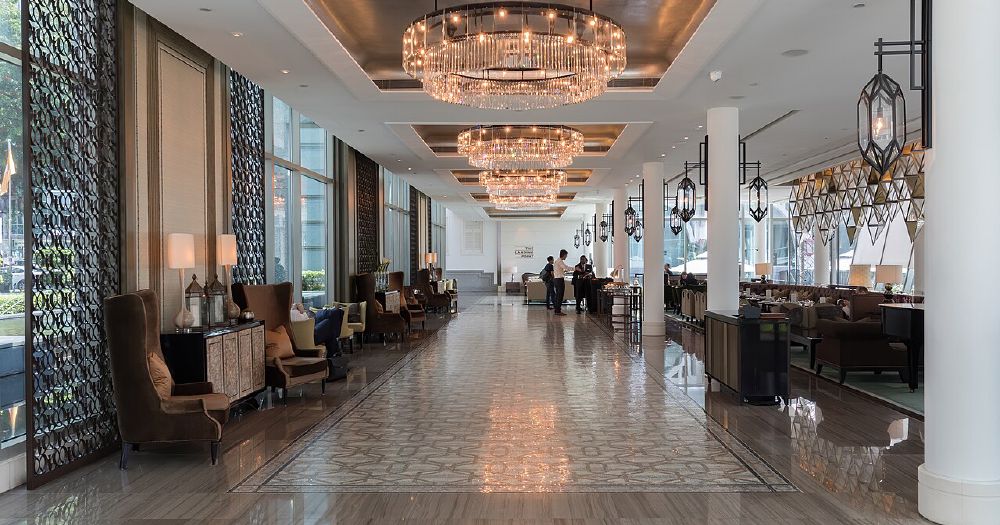
Architecture plays a role too. Malang has a notable stock of Dutch colonial-era buildings, and many café owners have chosen to restore or repurpose them rather than build new. The result is a recurring aesthetic of high ceilings, tiled floors, and open-air courtyards that suits the city's relaxed pace well.
What Should You Order, and How Do Cafés Here Typically Work?
For first-time visitors, the menu landscape can be a little broad. Most Malang cafés offer both espresso-based drinks and traditional Indonesian coffee preparations. Kopi tubruk — coarsely ground coffee brewed directly in the cup with hot water — remains widely available and is worth trying if you want something distinctly local. Manual brew methods such as pour-over and V60 are also common in the more specialty-focused spots.
Beyond coffee, many cafés serve a full food menu that goes well beyond snacks. Rice dishes, noodles, toast with various toppings, and local Malang specialties like bakso (meatball soup) often appear alongside the drinks list. This reflects the Indonesian café habit of treating the venue as a full dining stop rather than just a beverage destination.
A few practical points worth knowing before you visit:
- Many cafés operate a minimum spend policy per seat, especially during busy weekend hours, so check before you settle in for a long session.
- Payment by digital wallet is extremely common and sometimes preferred over cash in newer establishments.
- Seating is generally first-come, first-served; reservations are rare except for private event spaces within larger venues.
- Some garden or rooftop venues close during heavy rain, so it is worth having a backup option during the wet season.
How Do You Find the Right Café for Your Needs?
The short answer is that Malang has enough variety that almost any preference is covered, but knowing what you are looking for helps narrow things down quickly. If specialty coffee quality is your priority, look for venues that display their bean origins clearly and list brew parameters on the menu — these are usually reliable signals of a serious approach to the craft.
If atmosphere matters more than the cup itself, the city's heritage-building cafés tend to offer the most distinctive settings. Many of these are concentrated in and around the older commercial districts near the city center, where shophouse rows have been thoughtfully renovated. Arriving on a weekday morning gives you the best chance of a quieter experience.
For travelers who want to combine a café visit with sightseeing, some venues are positioned near Malang's well-known landmarks, including the city square area and the flower market neighborhood. Checking a map before you go and clustering a few stops together is a practical way to make the most of a day. Local food and travel platforms, which have grown significantly in Indonesia through 2025 and into 2026, now offer reasonably detailed listings with photos and recent visitor notes that can help you judge a place before you walk through the door.
A Few Final Thoughts
Malang's café scene rewards a little curiosity. The city does not have a single defining style — instead, it has accumulated a wide range of venues that reflect different tastes, budgets, and moods. Whether you are after a carefully prepared single-origin pour-over or just a comfortable corner to sit and watch the city go by, the options are genuinely there.
Going in with a basic understanding of how the local café culture operates — the typical ordering customs, the payment norms, the seasonal considerations — makes the experience smoother and more enjoyable. Treat each café as its own small world, and Malang tends to deliver.