How to Navigate Pasar Besar Malang: A Practical First-Timer's Guide
Pasar Besar Malang is one of the oldest and most active traditional markets in East Java, Indonesia. Located in the heart of Malang city, it has served local residents, traders, and visitors for well over a century. The market is a dense, multi-level space where fresh produce, dry goods, textiles, household items, and street food all exist side by side in organized chaos. If you have never visited a large Indonesian pasar before, the experience can feel overwhelming at first glance.
That sense of overwhelm fades quickly once you understand how the market is structured and what to expect from each section. Whether you are a traveler looking to experience everyday Malang life, a cook hunting for fresh ingredients at fair prices, or someone shopping for practical goods, Pasar Besar rewards preparation. This guide walks you through the visit step by step, from arrival to departure, so you can move through the market with confidence and come away with exactly what you need.
Getting There and Orienting Yourself
Pasar Besar Malang sits near the center of the city, making it accessible by several forms of transport. Angkot minibuses, ride-hailing apps, and becak (cycle rickshaws) all serve the area. If you arrive by ride-hailing app, ask the driver to drop you at the main entrance facing the central square, which gives you the clearest starting point for orientation. Parking is available for motorcycles and cars nearby, but spaces fill up early on weekday mornings when the market is busiest.
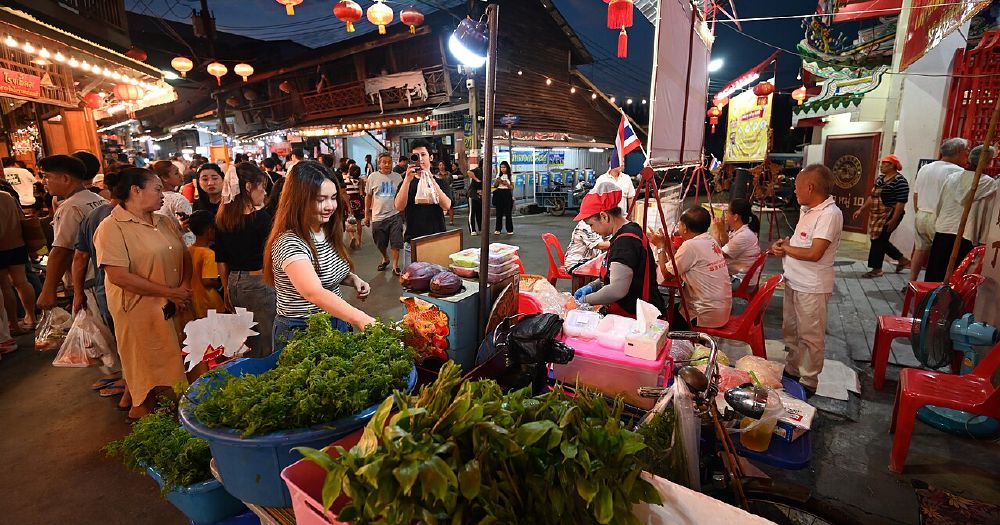
Once inside, take a few minutes before shopping to walk the perimeter of the ground floor without stopping. Pasar Besar is divided into informal zones, and a quick survey helps you map out where each category of goods is concentrated. The ground floor typically holds fresh produce, meat, fish, and wet goods toward the interior, while prepared food stalls and small warung (simple food stalls) cluster near the entrances. Upper floors and rear sections tend to house dry goods, clothing, fabrics, and household supplies.
- Arrive before 9 a.m. for the freshest produce and the most active trading atmosphere.
- Bring small denomination cash, as most vendors do not use digital payment systems and change can be limited.
- Wear comfortable, closed-toe shoes, since floors can be slippery near the wet market sections.
- Bring a reusable bag or two, because plastic bags from vendors are minimal and often flimsy.
Shopping the Market Section by Section
The fresh produce section is the logical first stop if food is your priority. Vendors here sell vegetables, fruit, chili peppers, shallots, garlic, and fresh herbs in quantities that range from small household portions to bulk amounts for restaurants. Prices in a traditional pasar like this are generally lower than in supermarkets, and the turnover is fast, meaning produce is typically harvested recently. You can ask vendors to select items for you or choose your own; both approaches are normal and accepted.
The wet market area, which handles fresh meat, poultry, and fish, sits in a dedicated section where conditions are functional but not sanitized to a supermarket standard. This is normal for a traditional pasar. If you plan to buy protein here, carry your purchases in a separate sealed bag and head home or to your accommodation promptly. The fish section in particular moves quickly in the morning hours, so the earlier you arrive, the better the selection.
Dry goods occupy a quieter part of the market and deserve time if you are looking for pantry staples. This zone includes packaged spices, dried chilies, coconut products, palm sugar, tempeh, tofu, and a range of Indonesian pantry essentials. Prices here are competitive, and buying in moderate bulk is common. Vendors in the dry goods section are often more patient with questions than those in the fast-moving produce lanes, making this a good area to ask for recommendations or clarification on unfamiliar ingredients.
Eating, Bargaining, and Practical Etiquette
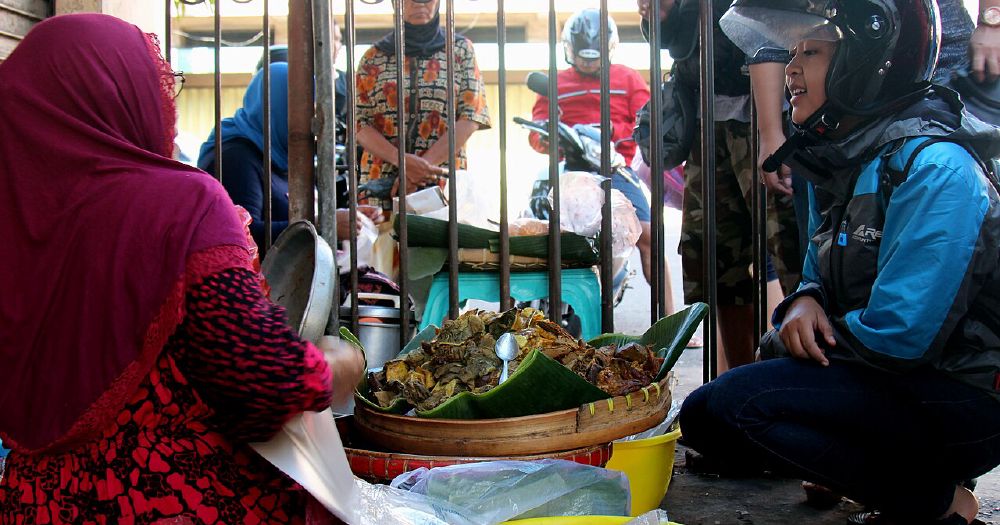
One of the underrated pleasures of visiting Pasar Besar is eating there. Small food stalls scattered throughout the market serve local Malang dishes such as bakso (meatball soup), rawon (dark beef broth), and nasi campur (mixed rice plates). These stalls cater primarily to market workers and regular shoppers, which means portions are generous, prices are low, and the food reflects genuine local taste rather than a tourist-facing version. Point at what you want if the language barrier is a challenge; most vendors are accustomed to communicating across it.
Bargaining is expected in most sections of the market, though the degree varies. For fresh produce and street food, prices are often fixed or close to it, and pushing too hard on price is considered impolite. For textiles, clothing, and some household goods, there is more room to negotiate. A practical approach is to ask the price, respond calmly with a slightly lower offer, and meet somewhere in the middle. Smiling, staying relaxed, and treating the exchange as friendly rather than adversarial leads to better outcomes and a more enjoyable visit for everyone involved.
- Do not photograph vendors or their stalls without a smile and a brief gesture asking permission first.
- If you are unsure what something is, asking "ini apa?" (what is this?) is understood and generally appreciated.
- Keep your bag in front of you in crowded sections as a basic precaution.
Making the Most of Your Visit
Pasar Besar Malang is not a curated attraction. It is a working market that has served the people of Malang across generations, and visiting it on those terms makes the experience genuinely rewarding. Go with a clear list of what you want to buy, but stay open to discovering ingredients or goods you did not know to look for. Budget at least two hours for a thorough first visit, and consider returning a second time once you know the layout. The market tends to wind down significantly by early afternoon, so morning remains the best window for both selection and atmosphere.