RSI Aisyiyah Malang: A Practical Guide to Getting the Most From Your Visit
Navigating a hospital in an unfamiliar city can feel overwhelming, especially when you are dealing with a health concern and need to move quickly through administrative steps, clinical processes, and follow-up care. RSI Aisyiyah Malang, a well-established Islamic hospital in Malang, East Java, serves a broad community of patients ranging from local residents to visitors from surrounding regions. Understanding how the facility operates before you arrive can save you significant time and frustration.
Whether you are seeking outpatient consultation, specialist care, or inpatient treatment, a little preparation goes a long way. This guide offers practical, hands-on tips drawn from the way hospitals of this type are generally structured in Indonesia, so you can walk in with confidence and focus your energy on what matters most: your health.
Planning Your Visit Before You Arrive
The single most useful thing you can do before going to RSI Aisyiyah Malang is to confirm the schedule of the specialist or general practitioner you need to see. Indonesian hospitals commonly operate on a polyclinic system, where specific doctors hold scheduled clinic hours on particular days rather than being available every day. Arriving on the wrong day for a specialist visit means coming back another time, which is an avoidable setback.
Call the hospital's information line or check its official channels to verify clinic schedules and to understand whether pre-registration is available. Many hospitals in Indonesia have introduced online or phone-based registration systems that allow you to reserve a queue number before you physically arrive. This is especially valuable during busy morning hours, when patient queues can build up quickly after opening time.
Also prepare your documents in advance. Patients using BPJS Kesehatan, Indonesia's national health insurance scheme, need to bring their membership card, a referral letter from their registered primary care facility (Puskesmas or first-level clinic), and a valid national ID. Private patients or self-paying visitors typically need fewer documents but should still bring identification. Having photocopies of everything saves time at the registration counter.
Moving Through the Hospital Efficiently
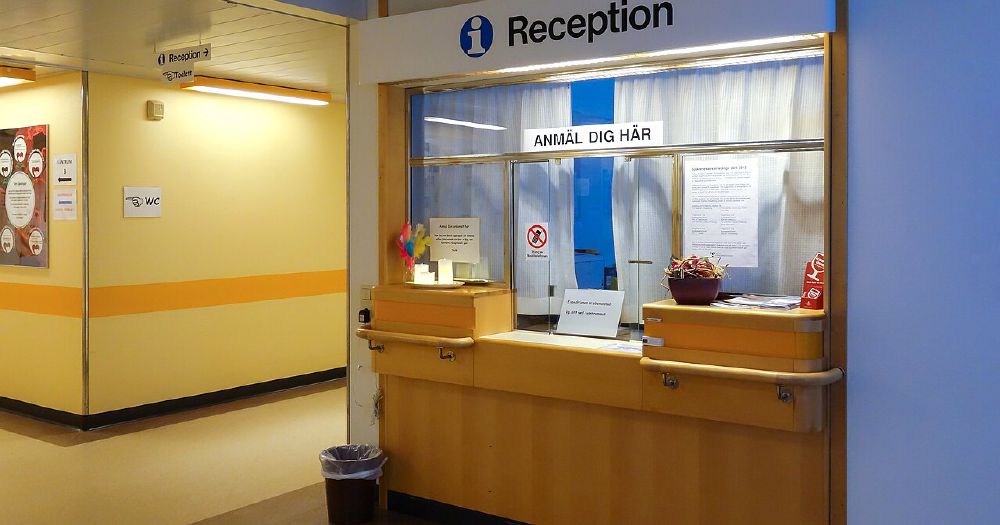
Once you are inside, understanding the general patient flow helps you avoid confusion. Most Indonesian hospitals follow a sequence: registration, waiting for your queue number to be called, clinical consultation, and then either prescription collection, laboratory work, or admission depending on the outcome of your visit.
- Arrive early. Queue numbers are issued from opening time, and early arrivals often face shorter waits.
- Go directly to the correct registration counter. Hospitals like RSI Aisyiyah Malang typically have separate counters for BPJS patients and general patients.
- After registration, listen carefully for your queue number to be announced or watch display boards if the hospital uses a digital queuing system.
- If you need laboratory tests or radiology, ask the registration or nursing staff whether you should complete those before or after seeing the doctor, since the order can vary by department.
Communication is important, particularly if you are not fluent in Indonesian. Most clinical staff at hospital facilities in Malang are trained to work with patients in Bahasa Indonesia, and basic communication in the local language will help move your visit along. If you need assistance, politely ask a nurse or hospital guide (often stationed near the entrance) to point you in the right direction.
For inpatient care, the admissions process involves a separate set of steps including room selection based on your insurance class or budget, consent documentation, and an orientation to ward routines. Ask the admissions officer to walk you through the daily schedule, visiting hours, and how to contact the nursing station, since these details are easy to miss in the initial rush of being admitted.
Making the Most of Follow-Up and Outpatient Care
Outpatient care does not end when you leave the clinic room. Many patients underestimate how much the follow-up phase affects their recovery and overall experience with a hospital. At facilities operating under Islamic hospital guidelines, like RSI Aisyiyah Malang, you may also find integrated support services such as pharmacy, nutrition counseling, and sometimes spiritual care services, all of which are worth utilizing if they apply to your situation.
When you receive a prescription, go to the hospital pharmacy rather than assuming an outside pharmacy will stock the same formulation or brand. Hospital pharmacies stock medications prescribed by their own doctors and can flag any interactions or dosage concerns on the spot. Ask the pharmacist to explain the medication schedule clearly, including whether tablets should be taken with food and at what intervals.
For chronic conditions requiring repeated visits, consider asking your doctor at the end of each appointment about the recommended interval before your next check-in and whether you can use the same referral document or need a new one from your primary care provider. Keeping a simple written record of your diagnosis, prescribed medications, and next appointment date helps you stay organized between visits, especially if different family members are managing your care.
A Few Final Thoughts
RSI Aisyiyah Malang functions like most well-run hospital facilities in Indonesia, but knowing its specific rhythm, from clinic schedules to queue management to insurance processes, puts you in a much stronger position as a patient. The tips above apply broadly to how visits to this type of facility work in practice, and most of them cost nothing but a little advance preparation.
Being informed, organized, and patient-focused means you spend less mental energy on logistics and more on the conversations and decisions that actually affect your health outcomes. That is the most practical advice of all.