SMK Telkom Malang: Key Ideas and Best Practices for Vocational Tech Education
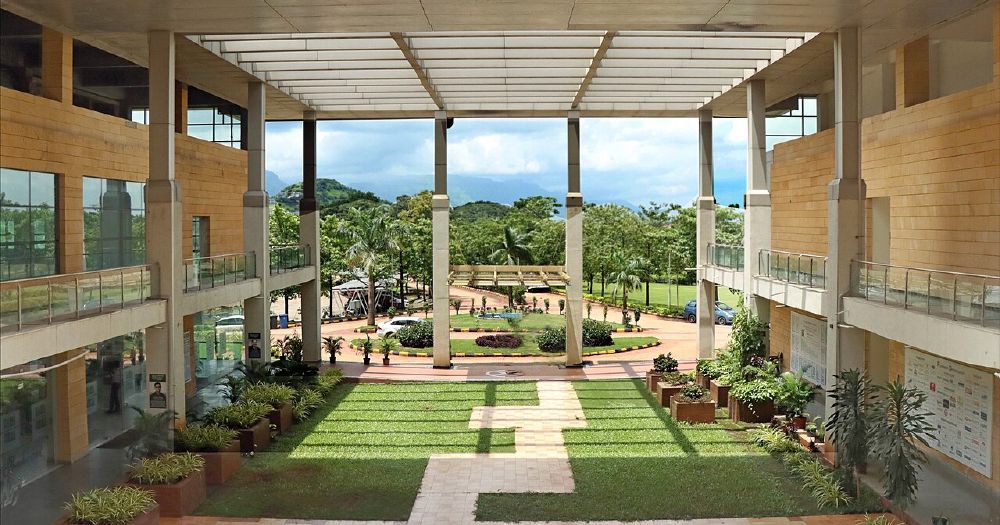
Vocational high schools focused on technology have become increasingly important in Indonesia as the country works to close a persistent skills gap in the digital economy. SMK Telkom Malang stands out as one of the more recognized institutions in this space, offering programs that aim to connect classroom learning with real industry demands. Located in Malang, East Java, the school operates under a network of Telkom-affiliated educational institutions that share a common mission: preparing young Indonesians for careers in telecommunications, information technology, and related fields.
By 2026, the pressure on vocational schools to produce work-ready graduates has only grown stronger. Employers across the technology sector consistently report difficulty finding candidates who combine solid technical skills with practical problem-solving ability. Understanding what makes schools like SMK Telkom Malang effective — and what lessons other institutions can draw from their approach — is a worthwhile exercise for educators, parents, students, and policymakers alike.
A Clear Curriculum Built Around Industry Needs
One of the defining features of SMK Telkom Malang's approach is a curriculum designed with the technology industry clearly in mind. Rather than treating vocational subjects as a simplified version of academic content, the school structures its programs around competencies that employers actually require. This means students spend a significant portion of their time working with tools, platforms, and workflows that mirror what they would encounter in an entry-level professional role.
The school typically offers majors in areas such as computer networking, software engineering, and multimedia. Each of these tracks is designed to build skills progressively, starting with foundational concepts and moving toward more advanced applications. Students in networking programs, for example, learn not just the theory behind how data moves across systems but also how to configure, troubleshoot, and maintain real network infrastructure.
A curriculum aligned with industry certifications is another important feature. When students graduate holding recognized credentials alongside their diplomas, they enter the job market with a concrete signal of competence. This practice benefits both the student and the hiring employer, reducing the ambiguity that often surrounds a vocational qualification.

Teaching Methods That Emphasize Hands-On Practice
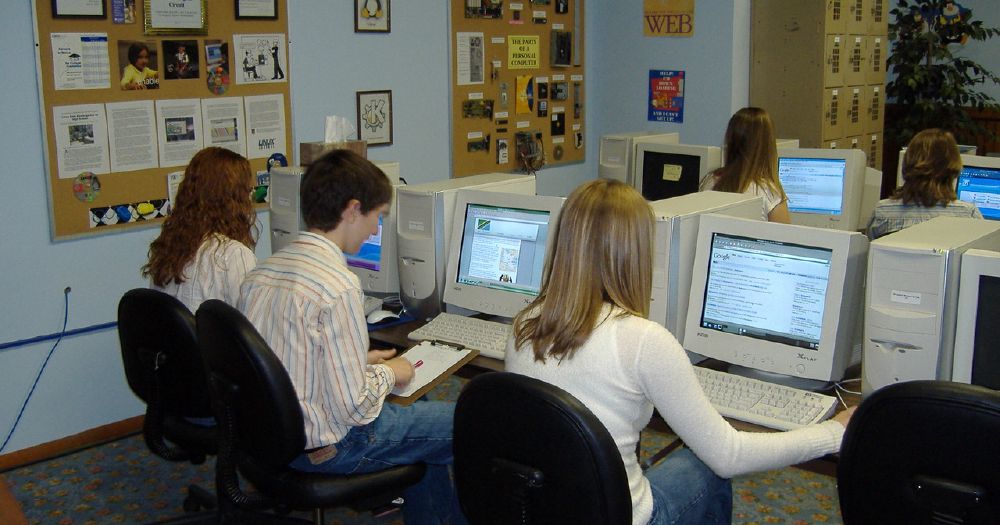
Strong vocational education relies heavily on learning by doing, and this principle shapes how instruction works at technology-focused schools like SMK Telkom Malang. Laboratories equipped with up-to-date hardware and software give students direct contact with the tools of their future profession. Sitting in front of a live system and working through a real configuration problem is a fundamentally different experience from reading about the same process in a textbook.
Project-based learning is another method that fits well in this environment. When students are assigned a problem that requires them to plan, execute, and present a solution, they develop skills that go beyond technical knowledge. Communication, time management, and the ability to work within a team all emerge naturally from this kind of structured project work. These are qualities that employers consistently place near the top of their hiring priorities.
Some best practices worth highlighting in this area include:
- Rotating students through different laboratory roles so each person gains experience as both a lead and a support contributor
- Setting project deadlines that reflect realistic professional timelines rather than purely academic ones
- Requiring students to document their work in a format that resembles professional reporting
- Incorporating peer review so students learn to give and receive constructive feedback
Industry Partnerships and Internship Programs
No vocational school can fully replicate a real workplace, which is why partnerships with companies in the technology sector are so valuable. SMK Telkom Malang benefits from its association with the broader Telkom ecosystem, which creates natural pathways for students to interact with working professionals and, in some cases, to complete internships within the organization or with affiliated partners.
Internship programs, often called *praktik kerja industri* or Prakerin in the Indonesian vocational system, are a structured requirement for students. During these placements, students spend time working inside actual companies, applying what they have learned and gaining exposure to professional culture. The quality of these experiences varies depending on how well the school and the host company coordinate expectations, but when done well, they are among the most valuable parts of a student's education.
The relationship between a school and its industry partners should be genuinely two-way. Companies that participate in internship programs or curriculum advisory discussions gain early access to emerging talent and the opportunity to shape training toward their own future hiring needs. Schools gain current knowledge about what the industry actually requires, which helps keep the curriculum from drifting out of date. Maintaining these relationships takes deliberate effort on both sides, but the return is significant.
Student Development Beyond Technical Skills
Technical ability alone is rarely enough to build a successful career. Schools like SMK Telkom Malang recognize this by incorporating activities and programs that develop what are sometimes called soft skills — a shorthand for communication ability, adaptability, professional conduct, and the capacity to keep learning throughout a career.
Extracurricular activities play a meaningful role here. Student organizations, competition teams, and community service projects all give young people chances to take on responsibility, manage uncertainty, and work with others toward a shared goal. Participation in regional or national technology competitions, for example, pushes students to solve problems under pressure and exposes them to peers from other schools, broadening their sense of what is possible.
Character development and a sense of professional ethics are also woven into effective vocational education. A student who understands the importance of data privacy, who treats colleagues with respect, and who takes ownership of their mistakes is more valuable to an employer than one who only knows how to run a script. These qualities are harder to teach explicitly, but they can be modeled by teachers, reinforced through school culture, and practiced in realistic project environments.
Conclusion
SMK Telkom Malang represents a broader model of vocational education that takes seriously the gap between school and the workplace. The key ideas that emerge from examining this kind of institution — curriculum alignment with industry needs, hands-on teaching methods, meaningful internship programs, and attention to the full range of student development — are not unique to one school or one city. They are transferable principles that any technology-focused vocational program can apply. For students and families evaluating options in 2026, looking for these markers in a school's structure and culture is a practical way to identify programs most likely to lead to genuine career readiness.