Suhat Malang: A Complete Beginner's Guide to This Vibrant District
Malang is one of East Java's most beloved cities, known for its cool highland air, colonial architecture, and energetic local culture. Within this city, certain neighborhoods have grown into destinations in their own right — and Suhat is firmly among them. Short for Jalan Soekarno-Hatta, the name refers both to a major road and the surrounding district that has developed around it, making it a central hub for students, residents, and visitors alike.
If you are visiting Malang for the first time, or even if you have been there before but never explored this particular area, Suhat can feel like a lot to take in. Streets are busy, options are plentiful, and knowing where to start is half the battle. This guide breaks down what Suhat is, why it matters, what you can do there, and how to get the most out of your time in the area.
What Is Suhat and Why Does It Matter
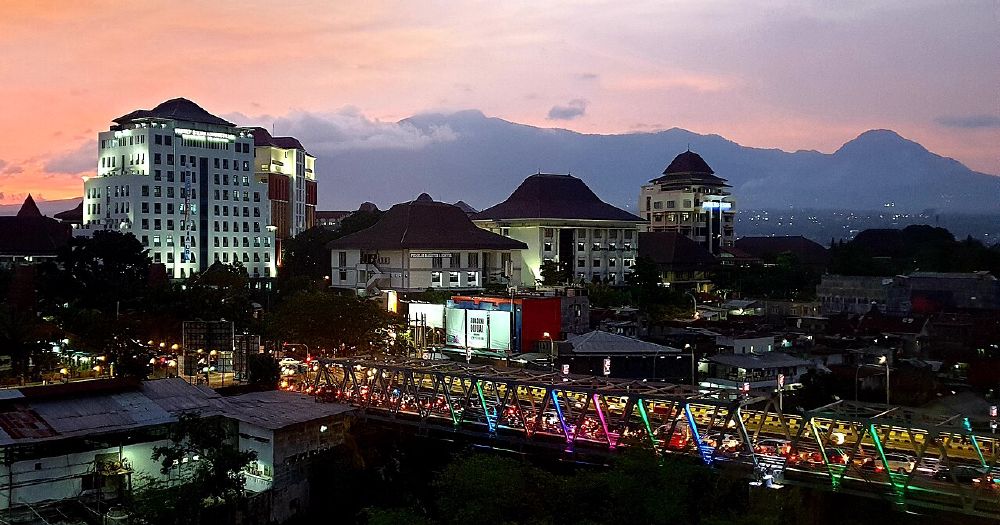
Suhat takes its name from the abbreviation of Jalan Soekarno-Hatta, one of the main arterial roads running through Malang. Over the years, the corridor and the neighborhoods branching off from it have developed into a dense, lively district that serves multiple purposes at once. You will find educational institutions, commercial strips, food stalls, cafes, and residential pockets all layered together in a relatively compact area.
The district sits in a strategic part of the city, making it easy to reach from other neighborhoods and from the broader transportation network. Because several universities and colleges are located nearby, Suhat has a distinctly youthful character. Students make up a significant portion of the daily foot traffic, which in turn has shaped the types of businesses that thrive here — affordable eateries, study-friendly cafes, bookshops, and budget clothing stores all do well in this environment.
Understanding this context helps explain why Suhat feels the way it does. It is not a tourist zone designed for outsiders, nor is it a purely residential area. Instead, it functions as a genuine urban working district where everyday life plays out in full view, which is precisely what makes it interesting to explore.
Getting There and Finding Your Way Around
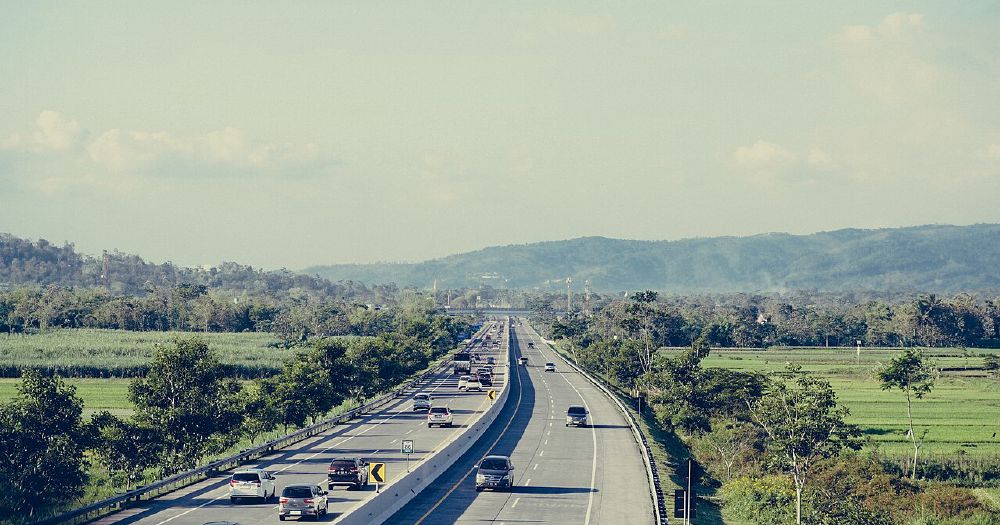
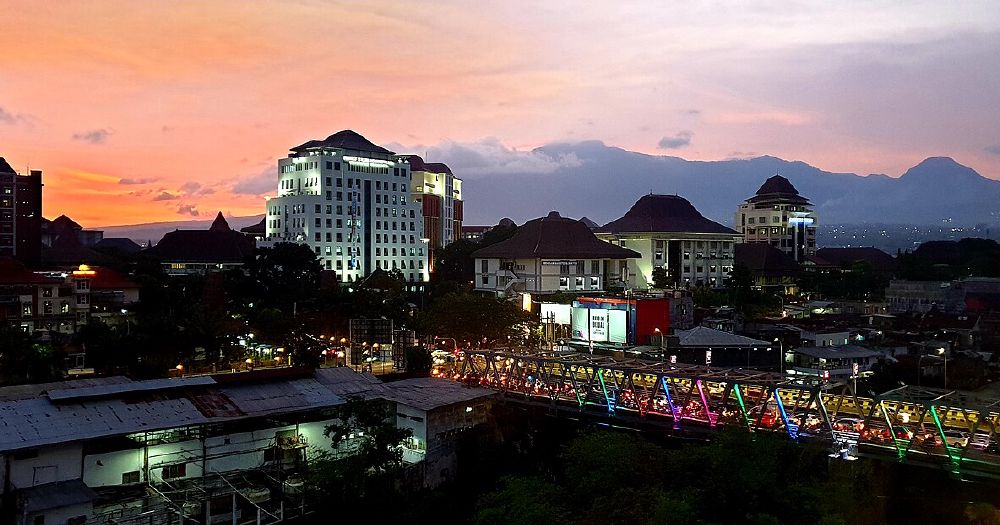
Malang's city layout can be confusing for newcomers because the road network is not always laid out in a simple grid. Suhat, however, is relatively straightforward to reach. Jalan Soekarno-Hatta is a well-known landmark for local drivers and ride-hailing app drivers alike, so simply naming it as your destination is usually enough to get you there without confusion.
Once you arrive, the best way to explore is on foot or by using a local ride-hailing service for longer stretches. The main road itself is wide and busy with vehicle traffic, so walking along the side streets and smaller lanes that branch off from it tends to be more comfortable and more rewarding. Many of the area's cafes, food spots, and small shops are tucked into these quieter lanes rather than sitting directly on the main road.
A few practical tips for getting around:
- Download a local ride-hailing app before you arrive, as these are the most reliable way to move around Malang affordably
- Carry some cash, since smaller food stalls and street vendors typically do not accept digital payments
- Explore in the late afternoon or evening when the area is at its most lively and temperatures are cooler
- Ask locals or guesthouse staff for specific lane names if you are looking for something particular, since signage can be inconsistent
Eating and Drinking in Suhat
Food is one of the strongest reasons to spend time in Suhat. The area has a wide range of eating options that cater to different budgets and tastes, though it leans heavily toward affordable, casual dining. Indonesian staples such as nasi goreng, mie goreng, bakso, and various rice dishes are easy to find at small warungs — a warung being a simple, informal food stall or small family-run eatery that is a cornerstone of Indonesian food culture.
Beyond traditional Indonesian food, the student population has driven demand for a broader variety of options. You will find cafes serving espresso-based drinks alongside local kopi tubruk, small restaurants offering chicken rice dishes, and spots that blend local and international influences in their menus. Many of these cafes are designed with comfortable seating and decent Wi-Fi, making them popular places for students to work or study for hours at a time.
Eating cheaply in Suhat is genuinely easy. A full meal at a warung can cost very little, and even the more polished cafes tend to price their food and drinks in a range that remains accessible to students on a limited budget. For visitors used to higher costs elsewhere, this affordability is a pleasant surprise.
Culture, Campus Life, and the Local Atmosphere
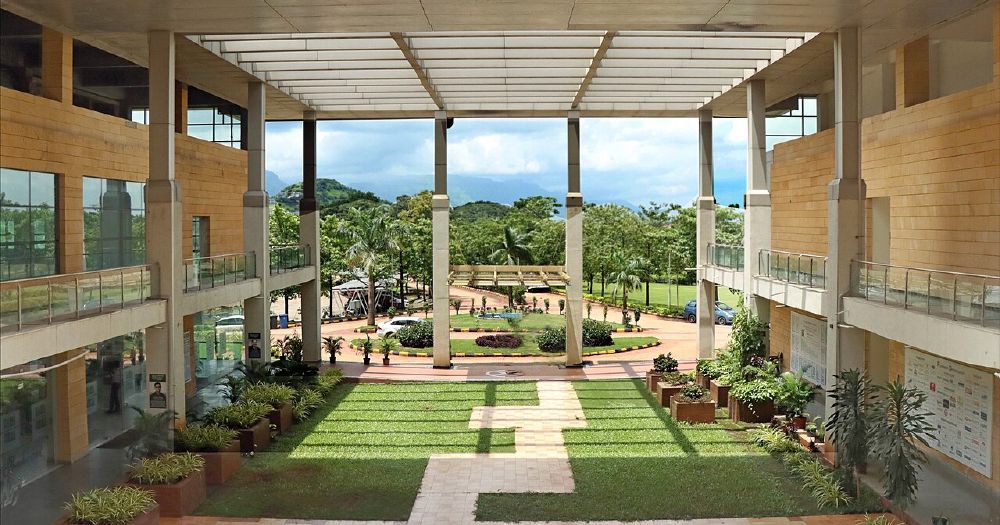
To understand Suhat fully, it helps to appreciate the role that universities play in shaping the district. Several higher education institutions are located in or near the area, and the academic calendar noticeably affects the rhythm of the neighborhood. During active semesters, streets and cafes fill up with students. During holiday periods, things quiet down considerably.
This campus-driven culture gives Suhat a particular kind of energy — young, informal, and intellectually curious in a low-key way. Bookshops and stationery stores do steady business. Discussion groups gather in cafes. Community events, small exhibitions, and informal performances occasionally pop up, often organized by student groups or local organizations. If you keep your eyes open and ask around, you can often stumble onto something interesting happening on any given weekend.
The area also reflects broader Indonesian urban culture in ways that are worth paying attention to. The concept of nongkrong — a Javanese and Indonesian term for hanging out, lingering, and socializing without a fixed agenda — is very much alive in Suhat. Spending an afternoon sitting in a cafe, watching people come and go, and simply absorbing the atmosphere is considered a perfectly legitimate use of time here. Visitors who embrace this slower, more social pace tend to enjoy the area far more than those who rush through it.
Practical Tips Before You Go
Suhat is a year-round destination, but the experience changes depending on when you visit. Malang's highland location keeps temperatures relatively mild compared to coastal Java, though rain can be heavy during the wet season. Carrying a light rain jacket or compact umbrella is a sensible precaution during wetter months.
Accommodation in Suhat and the surrounding area ranges from simple guesthouses to more comfortable lodging options, most of which are priced to attract the student and budget-traveler market. Booking in advance during local university orientation periods or public holidays is wise, as availability can tighten quickly.
Respecting local norms matters anywhere you travel in Indonesia, and Suhat is no exception. Dress modestly when visiting the area, be polite in interactions, and approach the neighborhood as a guest in a functioning community rather than as a passive tourist passing through.
Suhat is not a place that announces itself loudly or markets itself to outsiders with flashy attractions. Its appeal is quieter and more genuine — a real district where real people live, study, eat, and spend their days. For any traveler willing to slow down and pay attention, that authenticity is exactly what makes it worth visiting.