Visiting Batu Malang: Common Mistakes Tourists Make and How to Avoid Them
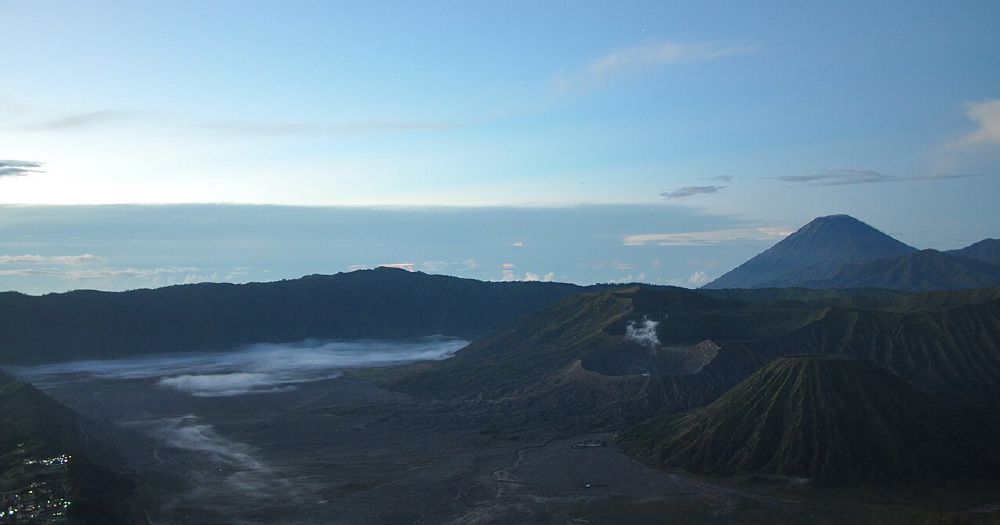
Batu is a small highland city in East Java, Indonesia, sitting at roughly 700 to 1,200 meters above sea level in the Brantas River valley. It has grown steadily over the past two decades into one of Java's most visited domestic tourism destinations, drawing families, couples, and school groups from across the island. The combination of cool mountain air, agricultural scenery, theme parks, and traditional markets gives the area a character unlike the coastal resort towns most international visitors default to.
That popularity, however, comes with a learning curve. First-time visitors often arrive with mismatched expectations, poor timing, or a plan that looked reasonable on paper but falls apart on the ground. This guide focuses on the most common mistakes people make when visiting the Batu area and offers practical ways to sidestep them before they cost you time, money, or enjoyment.
Misjudging the Weather and Packing for the Wrong Climate
One of the most consistent complaints from first-time visitors is the cold. Because Batu sits within the broader Malang region, which many people associate with a warm tropical climate, travelers sometimes arrive expecting beach-level heat. The reality is different. The elevation means mornings and evenings can drop to genuinely cool temperatures, and the rainy season, which typically runs from roughly October through April, brings frequent afternoon downpours and persistent mist.
Packing a light jacket, a waterproof layer, and comfortable walking shoes is not optional here — it is basic preparation. Sandals and a single T-shirt are fine for an afternoon in a greenhouse or a café, but they will make you miserable on a morning hike or an evening stroll through an open market.
- Check a local weather forecast for Kota Batu specifically, not just Malang city, since elevation differences mean conditions vary.
- Plan indoor activities — such as museum visits or covered markets — for the mid-afternoon hours when rain is most likely.
- Bring a small umbrella or a packable rain poncho regardless of the season.

Underestimating Travel Time and Weekend Crowds
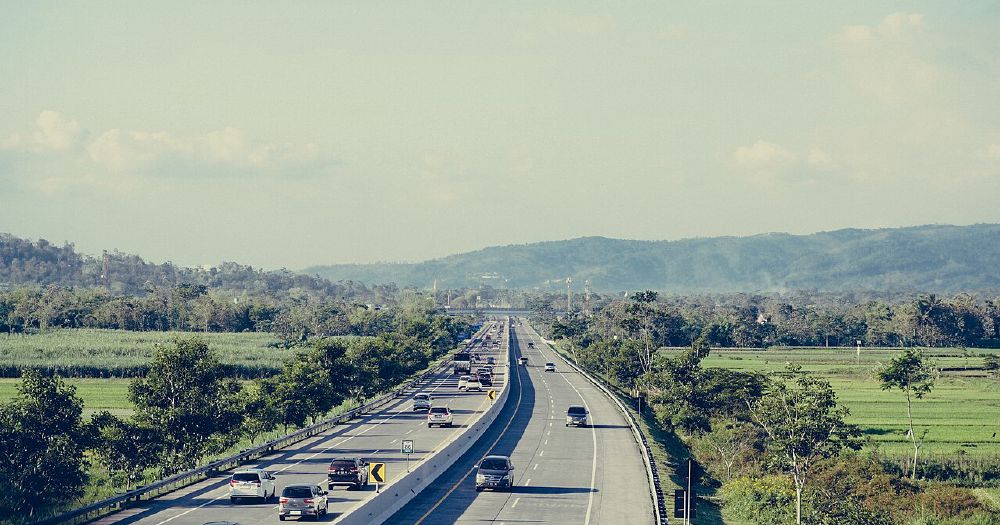
Batu is accessible from Malang city by road, and the distance looks short on a map. What the map does not show is the traffic. On weekends and public holidays, the main approach roads into the highland area can back up significantly, turning a trip that might take under an hour on a quiet weekday into a two-hour or longer ordeal. This is especially true during school holiday periods and long national holiday weekends, when domestic tourism in Java peaks.
The practical fix is to travel early. Arriving in Batu before mid-morning on a Saturday or Sunday puts you ahead of the main traffic wave and gives you access to popular sites before they fill up. If your schedule is flexible, a midweek visit changes the experience substantially. Prices at some guesthouses and rental vehicles may also be lower outside peak periods.
Booking accommodations in advance is equally important. The city has a wide range of lodging options, from budget guesthouses to family resorts with private pools, but the better-value properties fill quickly during holidays. Waiting until the day before and hoping for availability is a gamble that frequently does not pay off.
Trying to See Everything in One Day
The Batu area contains a dense concentration of attractions spread across different elevations and neighborhoods. Theme parks, apple and strawberry farms, flower gardens, paragliding spots, waterfalls, and traditional markets are all within the general region, but they are not all next to each other. Visitors who try to cover as many of these as possible in a single day typically end up rushing through each one, spending more time in transit than at any actual destination, and returning to their accommodation exhausted and underwhelmed.
A more effective approach is to group attractions by location and focus each day on a specific zone. For example, a morning at a working fruit farm followed by a visit to a nearby flower greenhouse makes geographic sense and creates a coherent experience. Trying to combine that with a theme park on the opposite side of town and a waterfall that requires a separate mountain road adds unnecessary friction.
Two to three days is a realistic minimum for visitors who want to experience the area without rushing. One day is workable only if you have a single clear priority and are comfortable skipping everything else.
Overlooking Local Food and Sticking Only to Tourist Restaurants
The Batu and greater Malang area has a distinct food culture that is genuinely worth exploring, but many visitors default to the restaurant options immediately surrounding major tourist sites. These tend to be convenient but are often priced for tourists and may not represent local cooking at its best.
The city's traditional markets are a more rewarding option for food, particularly in the morning hours when vendors are freshest and selection is widest. Local specialties from the broader East Java region — including various rice dishes, noodle soups, and fried snacks — are available at a fraction of the price you would pay at a sit-down restaurant near a theme park entrance.
- Look for warungs, which are small family-run food stalls, on side streets rather than main tourist corridors.
- Morning markets are typically the best time to find freshly made traditional snacks and hot breakfast dishes.
- If you are unsure about food hygiene, cooked-to-order dishes served hot are generally a safer choice than pre-prepared items left at room temperature.
Eating where locals eat also creates more genuine interaction with the community and gives you a better sense of everyday life in the highland region, which is part of what makes a trip memorable rather than merely checked off a list.
A Few Final Thoughts
Batu Malang rewards visitors who arrive prepared and approach the destination on its own terms rather than projecting expectations from other types of travel. The core mistakes — ignoring the elevation climate, underestimating traffic and crowds, cramming too much into too little time, and eating only at tourist-facing establishments — are all avoidable with modest planning.
The area continues to develop its tourism infrastructure, and by 2026 there are more accommodation options, better-marked trails, and improved visitor information available than in previous years. That makes thoughtful planning easier than ever. Take the time to do it, and the highland city will likely exceed what you expected.